Vizi, P. G., Bérczi, Sz., Horváth, I., Horváth, A. F., & Vizi, J. (2014). Modern Analytical Methods Applied to Earth and Planetary Sciences for Micro, Nano and Pico Space Devices and Robots in Landing Site Selection and Surface Investigation. In Workshop on The Modern Analytical Methods Applied to Earth and Planetary Sciences (Abstract 4007). Lunar and Planetary Institute.
Gucsik, A., Nishido, H., Nakazato, T., Ninagawa, K., Simonia, I., Bérczi, Sz., Nagy, Sz., & Mihályi, K. (2010). In-Situ Planetary Cathodoluminescence Microscopy and Spectrosocpy Applied to the Robotic Missions in Mars. 38. COSPAR Congress, Bremen, 2010, July.
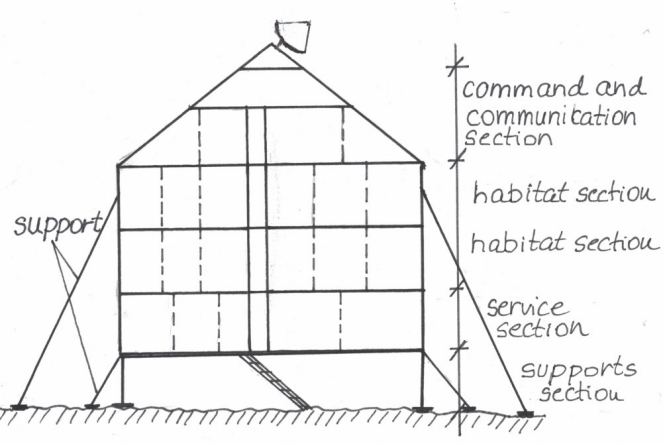
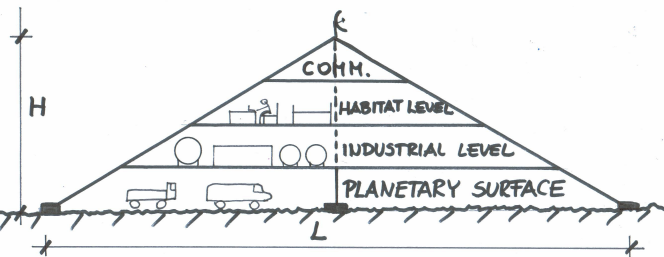
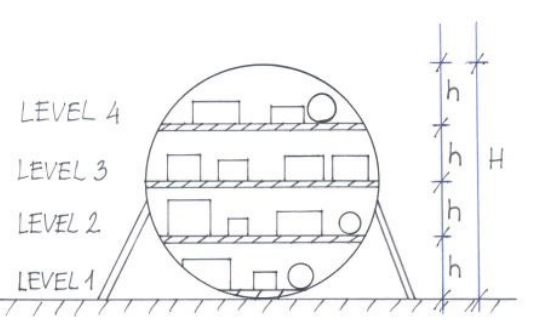
Magyar, I., Udvardi, M., Szakolczai, P., Varga, R. K., Veres, B., Papp, Á., Berendi, B., Tóth, N., Tóczik, S., Lovász, Á., Bérczi, Sz., Varga, T. P., & Cseh, R. (2013). Inner design of a habitat module for planetary surfaces. 44th LPSC, #2893.
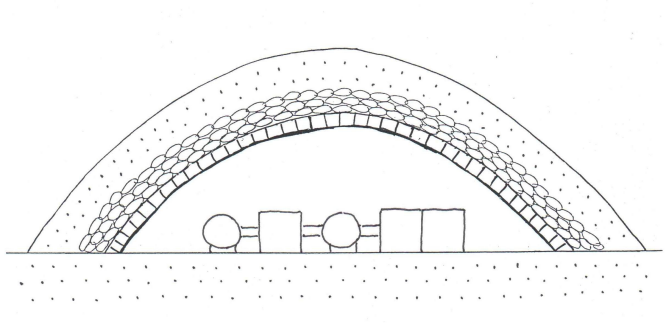
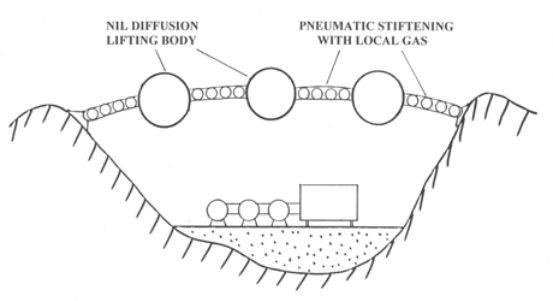
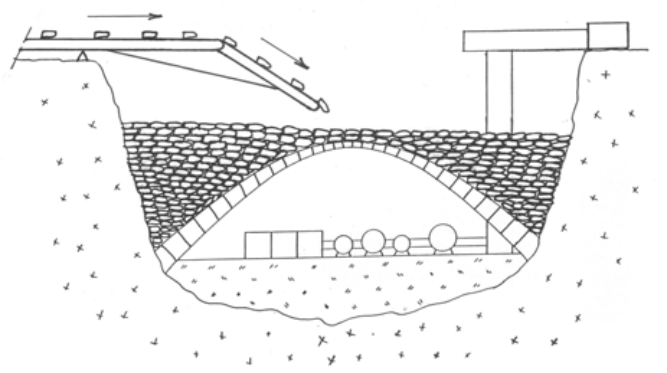
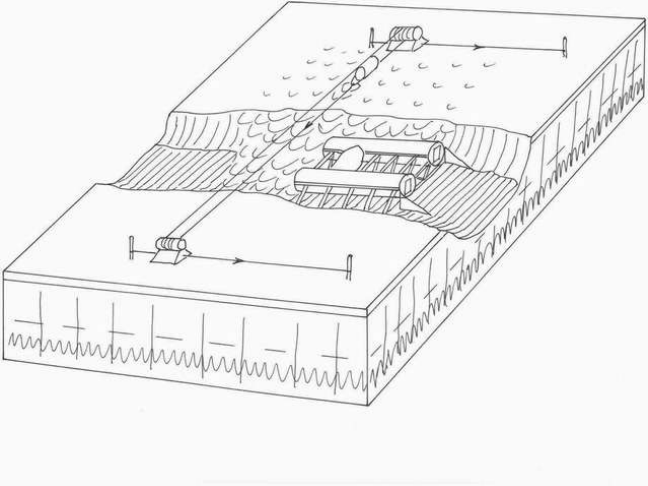
Varga, T. P., Szilágyi, I., Bérczi, Sz., Varga, T. N., Boldoghy, B., Kummert, J., & Hudoba, G. (2009). ISRU Based Building Concept for Producing Multifunctional Lunar Buildings. Annual Meeting of the Lunar Exploration Analysis Group, held November 16-19, 2009 in Houston, Texas. LPI Contribution No. 1515, p.72.
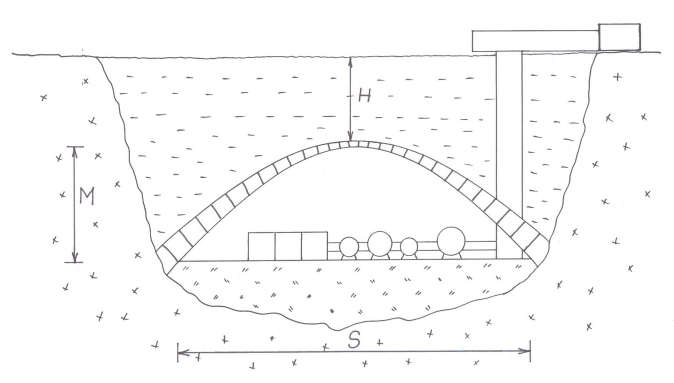
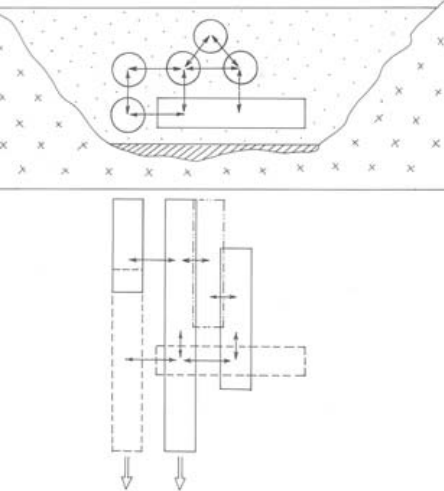
Boldoghy, B., Kummert, J., Szilágyi, I., Varga, T., & Bérczi, Sz. (2006). Engineering and Thermal Balance Studies for Lunar Base Construction with on Site Material Utilization and with Antarctic Architectural Applications. 30th NIPR Symposium Antarctic Meteorites, Tokyo, p. 7.
Boldoghy, B., Kummert, J., Varga, T., Szilágyi, I., & Bérczi, Sz. (2006). Feasibility Concept of Creating Protected Spaces with Great Size and Balanced Interior Temperature for Industrial Activities on the Moon. 8th Space Resources Roundtable Conference, Golden, Colorado.
Boldoghy, B., Kummert, J., Bérczi, Sz., Varga, T., & Szilágyi, I. (2005). Planning project for establishing buildings on the moon to be operated cost-effectively. 7th Space Resources Roundtable Conference, Houston, #2005.
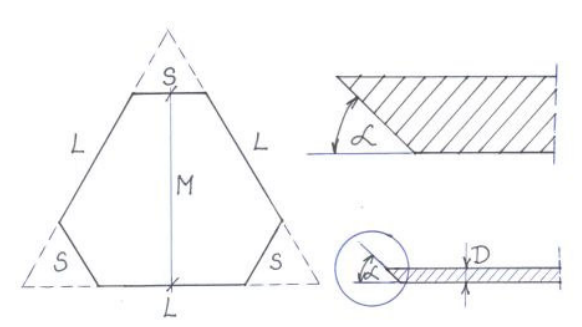
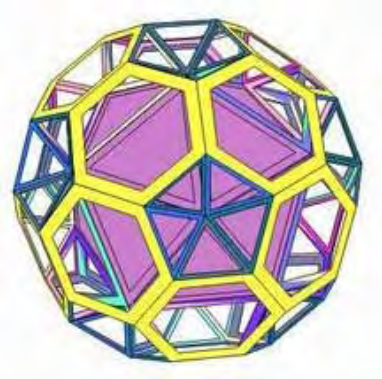
Kabai, S., & Bérczi, Sz. (2003). Space Stations Construction by Mathematica: Interactive Programs to Use the Double Role of the Golden Rhombohedral Moduls [Presentation]. Symmetry Festival, Lecture, Budapest, 19th. Aug. 2003.
PRIDE tracks JUICE with ground-based radio telescopes using the spacecraft's existing radio signal. This presentation reports cruise-phase observations that support trajectory verification and complement onboard radio-science measurements. Source
This study evaluates targets for a radar-carrying drone on Mars. An airborne instrument could search for buried ice, sediment layers and lava cavities in areas that a rover would struggle to reach. Source
FlyRadar develops a drone-mounted radar system for studying the surface and shallow subsurface. This paper describes the instrument and its development tasks, with applications on Earth and potential future use on Mars. Source
The paper describes a planned glacier field test of the FlyRadar drone radar. It aims to assess the quality of measurements of ice and subsurface boundaries before considering similar equipment for water and ice investigations on Mars. Source
Jones, G., Snodgrass, C., Tubiana, C., Küppers, M., Kawakita, H., Lara, L., Agarwal, J., André, N., Attree, N., Auster, U., Bagnulo, S., Bannister, M., Beth, A., Bowles, N., Coates, A., Colangeli, L., Corral, v. D. C., Da, D. V., De, K. J., …, Ji, H. (2024). The Comet Interceptor Mission. Space Science Reviews, 220(1), 9. https://doi.org/10.1007/s11214-023-01035-0
This paper describes Comet Interceptor, a mission designed to visit a relatively unaltered comet or an interstellar object. Several spacecraft would observe its nucleus, gas and dust from different positions to investigate primitive material from the early Solar System. Source
Kereszturi, Ákos (2023). A Comet Interceptor küldetés. FIZIKAI SZEMLE 0015-3257 1588-0540 73(7-8), 245–248.
Detailed images of a borehole wall preserve evidence of rock layers and grains that can disappear when samples are crushed. Tests at terrestrial sites show how this method could improve the interpretation of future drilling on Mars and the Moon. Source
This position paper argues for extending planetary missions that are still operating successfully. Besides their additional scientific return, it highlights benefits for research careers, stable funding and broader participation. Source
The GANGOTRI mission concept would investigate glaciers at mid-latitudes on Mars. Drilled ice samples and composition measurements would provide information about past climate and interactions between ice and surface debris. Source
Koronczay, D., Bailey, R., Bertone, S., Credendino, S., Kleinschneider, A., Lanzky, M., Losiak, A., Marcenat, C., Martin, P., Munoz, E. I., Neidhart, T., Rexer, M., & Wirnsberger, H. (2015). The EvolVe mission concept - unveiling the evolution of Venus. EPSC, abstract #EPSC2015-384.
Topf, F., Jacquey, C., Génot, V., Cecconi, B., André, N., Zhang, T. L., Kallio, E., Lammer, H., Facskó, G. I., Stöckler, R., & Khodachenko, M. (2011). SOAP based web services and their future role in VO projects. EPSC, abstract #EPSC-DPS2011-205-2.
Sz. Bérczi, V. Cech, S. Hegyi: Cross-effects in the Technology vs. Environmental Currents Matrix. Abstr. Umweltproblem und Technologie Bildung. Conf. in M. Luther Universitat, Halle-Wittenberg, 1997. Sept 25-27. Halle