Bérczi, Sz., Kubovics, I., Don, Gy., Ditrói-Puskás, Z., Gál-Sólymos, K., Földi, T., Solt, P., & Záray, Gy. (2001). New studies on meteorites from Hungary: Corrections in the London Meteorite Catalogue dataset. Meteoritics & Planetary Science, 36, 107.Full text (ResearchGate)
Meteorites
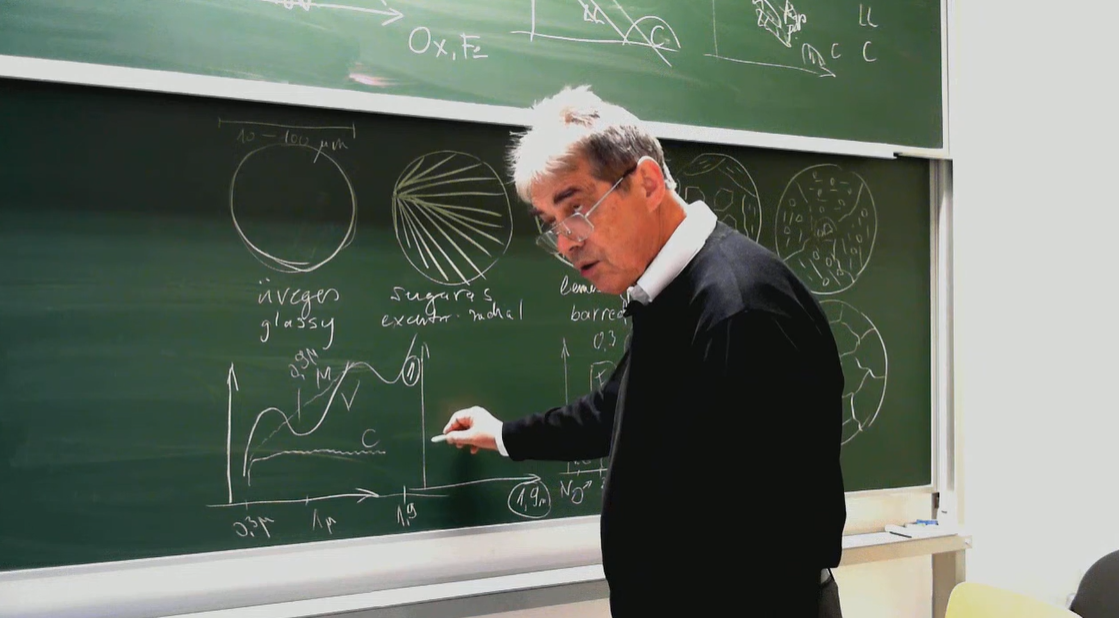 Meteorite studies and the evolutionary history of a small celestial bodySzaniszló Bérczi, 2020
Cosmic material studies in education
Meteorites
Collections
Bérczi, Sz., Lukács, B., Don, Gy., Detre, Cs., Gál-Sólymos, K., Józsa, S., Kubovics, I., Kiss, Á., Puskás, Z., Szakmány, Gy., & Solt, P. (1998). Meteorites from Hungary: Full list till 1998. In IGCP Ann. M. V. 1998 (pp. 4).
Kubovics, I., Bérczi, Sz., Lukács, B., & Szakmány, Gy. (1995). The Meteorites in the Light of the NIPR Japanese Antarctic Meteorite Collection. 20th NIPR Symp. Antarctic Meteorites, Tokyo, Japan, p. 125.
Kubovics, I., Bérczi, Sz., Lukács, B., & Szakmány, Gy. (1994). The Meteorites in the Light of the NIPR Japanese Antarctic Meteorite Collection. In Evolution of Extraterrestrial...Lukács B. et al Eds.) 29-40. KFKI-1994-22/C.
Comparative studies
Gyollai, Polgári, M., Bérczi, Sz., Veres, M., Gucsik, A., & Pál-Molnár, E. (2017). Signs of bioweathering in ordinary chondrites. In Workshop on Chondrules and Protoplanetary Disk (Abstract 1963).
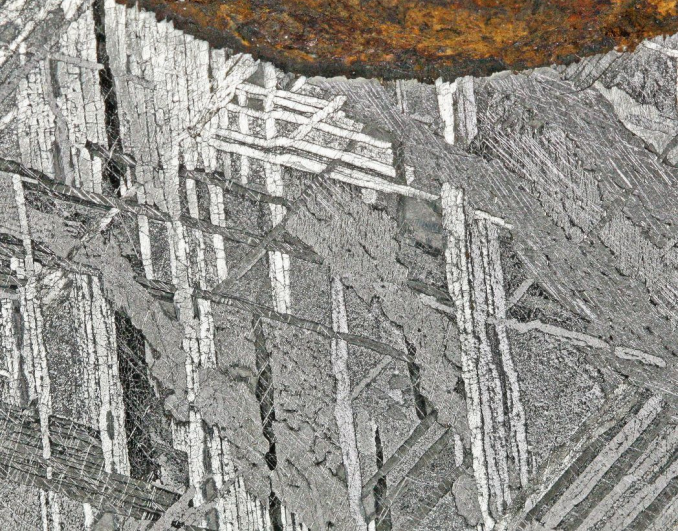
Kubovics, I., Kereszty, Zs., Bérczi, Sz., & Gönczi, Gy. A. (2016). The Revealed Real Story of the Nagy-Vázsony Iron Meteorite. 47th LPSC, #1555. LPI, Houston, CD-ROM.Abstract (PDF)
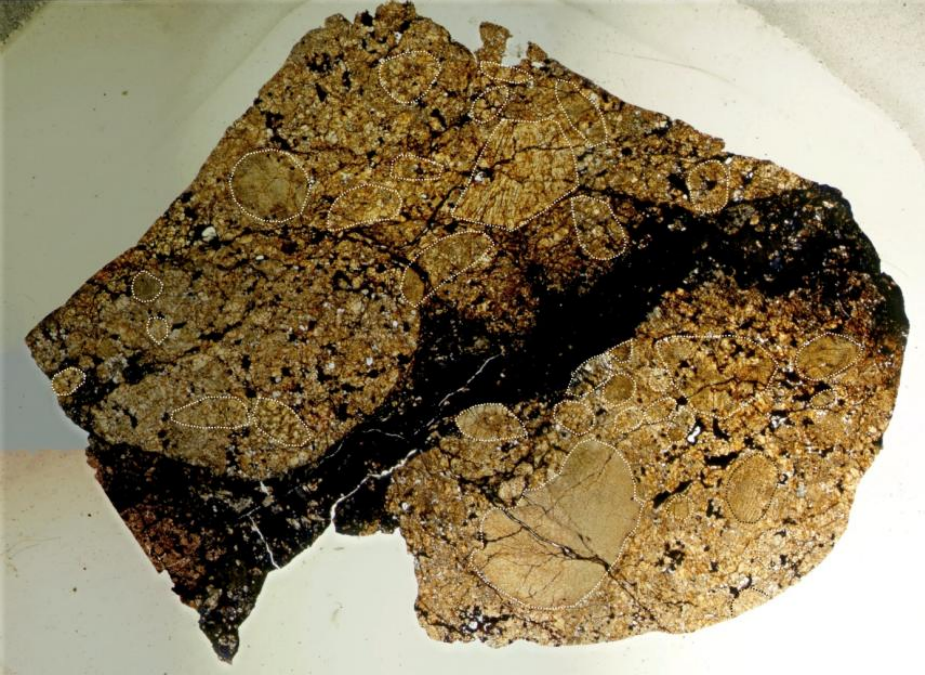
Gyollai, I., Bérczi, Sz., & Nagy, Sz. (2014). Chondrule Textures in NWA-5011 L6 Chondrite. 45th LPSC, #1415.Abstract (PDF)
Vizi, P. G., Horvath, A., Hudoba, Gy., Berczi, Sz., & Sik, A. (2012). Meteorite Like Nano and Pico Space Devices and Robots and the Polar Region of Mars. 35th Symposium on Antarctic Meteorites. Tokyo, 2012, nov. 28-29.
Gyollai, I., Bérczi, Sz., Nagy, Sz., Józsa, S., Szakmány, Gy., & Gucsik, A. (2010). Application of the Differentiation Modell of Takahashi for a Chondritic Asteroidal Body in our Studies Comparing H and EH3-chondrites. 33nd NIPR Symposium Antarctic Meteorites, Tokyo, p. 15-16.
Józsa, S., Gyollai, I., Bérczi, Sz., Nagy, Sz., Szakmány, Gy., Gucsik, A., Ninagawa, K., & Nishido, H. (2010). Petrographic Study of Allan Hills 77257 (Ureilite) and Allan Hills 78113 (Aubrite) Meteorites. 33nd NIPR Symposium Antarctic Meteorites, Tokyo, p. 32-33.
Gucsik, A., Mihályi, K., Dobosi, K., Nagy, Sz., Bérczi, Sz., & Hargitai, H. (2010). Terrestrial meteorite craters and their geomorphological, geological and mineralogical consequences: An overview. Proceedings of the International Meteor Conference, Porecs, Croatia, szept. 24-27. 2009. pp. 43-67.
Gyollai, I., Fürj, J., Bérczi, Sz., Gucsik, A., Nagy, Sz., & Veres, M. (2009). Application of the differentiation modell of Takahashi for a chondritic asteroidal body in our studies comparing Mezőmadaras, Yamato-74191 and Yamato-84151 meteorites. 32nd NIPR Symposium Antarctic Meteorites, Tokyo, p. 17-18.
Fürj, J., Gyollai, I., Bérczi, Sz., Gucsik, A., & Nagy, Sz. (2009). Petrographic investigation of Yamato-791717 CO3 chondrite. 32nd NIPR Symposium Antarctic Meteorites, Tokyo, p. 10-11.
Földi, T., & Bérczi, Sz. (2004). Electromagnetic scrape of meteorites and probably columbia tiles. 35th LPSC, #1057, LPI, Houston.
Bérczi, Sz., Gál-Sólymos, K., Kubovics, I., & Puskás, Z. (2002). Layered Texture of Kaba CV3 Chondrite. In 65. Met. Soc. Ann. Meeting (pp. 5028).
Berczi, S., Gal-Solymos, K., Kubovics, I., & Puskas, Z. (2002). Layered texture of Kaba CV3 chondrite.. Meteoritics & Planetary Science, 37(7), A16.
Kubovics, I., Gál-Sólymos, K., Ditrói-Puskás, Z., & Bérczi, Sz. (2000). New results from the Kaba meteorite Part I. Chondrules. Acta Geologica Hungarica, 43(4), 477–492.
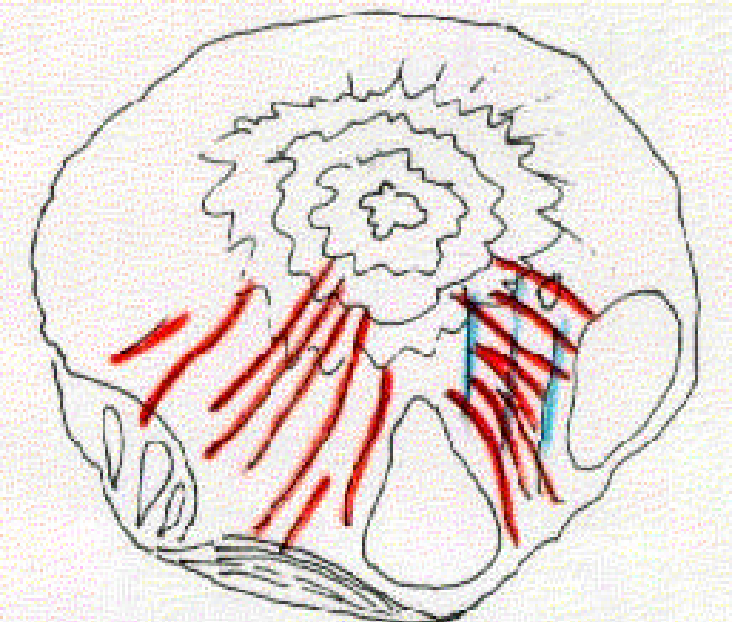
Bérczi, Sz. (2000). The shape of KABA: Two main streamline systems on its surface showing oriented fall. Lunar and Planetary Science XXXI, Abstract #1198, Lunar and Planetary Institute, Houston (CD-ROM).
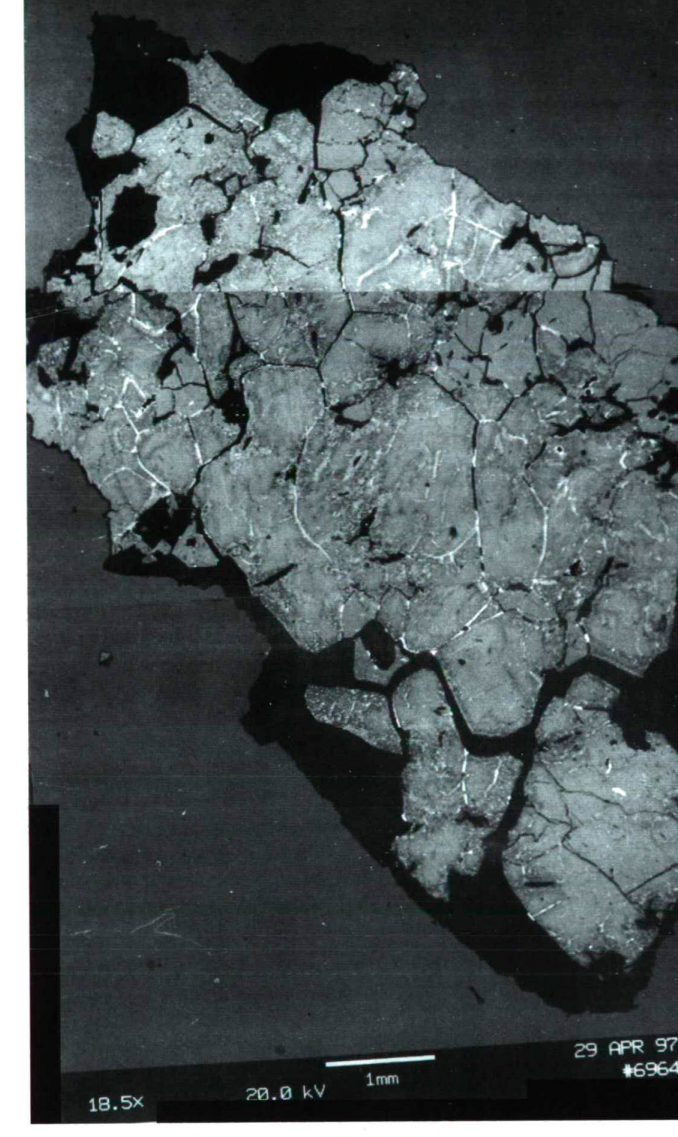
Bérczi, Sz., Gál-Sólymos, K., Holba, Á., Lukács, B., & Martinás, K. (1999). On the Thermodynamics of Meteorites and Parent Bodies II: From Chondrites Through the Primitive Achondrite Varieties (Stage A and Stage B) to the Basaltic Achondrites. Acta Mineralogica et Petrographica, 40, 175–198.
Bérczi, Sz., Holba, Á., & Lukács, B. (1999). On the Thermodynamics of Meteorites and Parent Bodies II: Portales Valley and the Borderland between Chondrites and Achondrites. In KFKI-1999-01/C (pp. n/a).
Bérczi, Sz., Don, Gy., Gál-Sólymos, K., Kubovics, I., Lukács, B., Martinás, K., Nagy, B., Puskás, Z., & Solt, P. (1998). Foliated Kaba, CV3 chondrite. 23rd NIPR Symposium Antarctic Meteorites, Tokyo,. p. 14-16.
Földi, T., Kubovics, I., Bérczi, Sz., Detre, Cs., & Don, Gy. (1998). Iron spherule in Kaposfüred iron meteorite from Hungary. In IGCP Ann. M. V. 1998 (pp. 35).
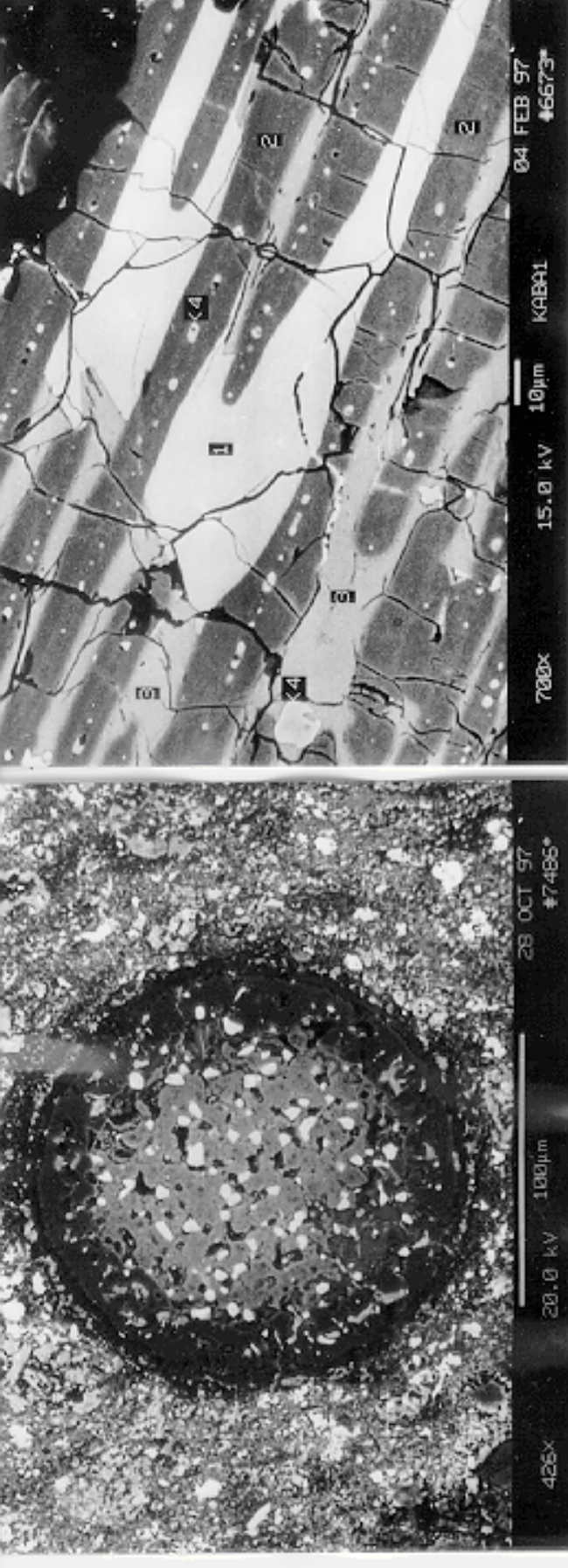
Kubovics, I., Gál-Sólymos, K., Bérczi, Sz., Ditrói-Puskás, Z., & Nagy, B. (1998). Kaba CV3 chondrite: Oriented overall texture and refractory spherule in a new, large surface thin section. Lunar and Planetary Science XXIX, Abstract #1120, Lunar and Planetary Institute, Houston (CD-ROM).
Bérczi, Sz., Földi, T., Kubovics, I., Simonits, A., & Szabó, A. (1998). Kaposfüred: a new IVA-type iron meteorite from Hungary. Lunar and Planetary Science XXIX, Abstract #1082, Lunar and Planetary Institute, Houston (CD-ROM).
Gál-Sólymos, K., Bérczi, Sz., Don, Gy., Detre, Cs., Kiss, Á., Kubovics, I., Lukács, B., Nagy, M., Puskás, Z., Solt, P., & Uzonyi, I. (1998). Overview of studies on Kaba, CV3 chondrite. In IGCP Ann. M. V. 1998 (pp. 36).
Bérczi, Sz., & Lukács, B. (1998). Point of Inflexion between E and H chondrites. 23rd NIPR Symposium Antarctic Meteorites, Tokyo,. p.4-6.
Bérczi, Sz., Földi, T., Kubovics, I., Lukács, B., & Varga, I. (1997). Comparison of Planetary Evolution Processes Studying Cosmic Thin Section Sets of NASA and NIPR. LPSC XXVIII. Houston, p.101. (#1782).
Kubovics, I., Bérczi, Sz., Ditrói-Puskás, Z., Gál-Sólymos, K., Nagy, B., & Szabó, A. (1997). Preliminary report of Kaposfüred: a new iron meteorite from Hungary. Acta Mineralogica-Petrographica, 38, 111–117.
Bérczi, Sz., Kiss, A., & Lukács, B. (1996). Comparison of the reduction processes in native-iron bearing basalts from Disko Island, and in chondrites. 21th NIPR Symp. Antarctic Meteorites, Tokyo, p. 14-16.
Kubovics, I., Gál-Sólymos, K., Bérczi, Sz., Ditrói-Puskás, Z., & Lukács, B. (1996). Investigation of an Antarctic Meteorite Sample by EPMA (ALHA 77005). EMAS 96 Conference, Balatonfüred.
Bérczi, Sz., Holba, Á., & Lukács, B. (1996). On the Thermodynamics of Meteorites and Parent Bodies. In KFKI-l996-15/C (pp. 38).PDF · Full text (ResearchGate)
Bérczi, Sz., & Lukács, B. (1996). Percolation in chondrites of high petrologic classes (30th IGC, abstract vol.) Beijing, China. In 30th Internal Geological Congress (Abstract n/a).
Bérczi, Sz., & Lukács, B. (1995). Possible Meteorites with Human Transmutations: Royal Weapons. In KFKI-1995-13/C (Abstract n/a).
Bérczi, Sz., & Lukács, B. (1995). Possible Meteorites with"Human-Transformation": Royal Swords and Sabres. 20th NIPR Symp. Antarctic Meteorites, Tokyo, Japan, p. 38.
Bérczi, Sz., & Lukács, B. (1995). Why Do We Not See Nitriferous Meteorites?. 20th NIPR Symp. Antarctic Meteorites, Tokyo, Japan, p. 39.
Educational applications
Bérczi, Sz., Gál-Sólymos, K., Gucsik, A., Hegyi, S., Hudoba, Gy., Józsa, S., Kókány, A., Kubovics, I., Lukács, B., Puskás, Z., Szakmány, Gy., & Varga, T. (2006). How We Used the NIPR Antarctic Educational Thin Section Set in Planetary and Material Science Studies: 10 Years of Studies in Eötvös University, Hungary. 30th NIPR Symposium Antarctic Meteorites, Tokyo, p. 5.
Bérczi, Sz. (2006). How We Used the NIPR Antarctic Educational Thin Section Set in Planetary and Material Science Studies: 10 Years of Studies in Eötvös University, Hungary [Presentation]. 30th NIPR Symposium Antarctic Meteorites, Tokyo, 2006 June 8. 13:30.
Bérczi, Sz., Lukács, B., Holba, Á., Józsa, S., Kubovics, I., Puskás, Z., & Szakmány, Gy. (2000). The NIPR Antarctic meteorite thin section educational set. In Lunar and planetary science (Abstract 1199). Lunar and Planetary Institute.
Further publications by topic
Further research
Bérczi, Sz., Polgári, M., Gyollai, I., Hargitai, H., Gucsik, A., Kárpáti, Sz., Ságodi, I., Hudoba, Gy., & Vizi, P. G. (2024). 30-Years loan of the NASA lunar sample educational set to the Eötvös Loránd university, Budapest, Hungary. 55th LPSC, #2275, LPI, Houston.
Hegedüs, T., Jäger, Z., Bejó, M., Lang, Á., Goda, Z., Hargitai, B., Molnár, B., Sztojka, Á., Papp, L., Csizmadia, S., & Kereszty, Z. (2023). A way to understand strewnfields - testing model calculations by artificial meteorite experiment. LPSC, abstract #1305.
Gyollai, I., Chatzitheodoridis, E., Kereszturi, Á., & Szabó, M. (2023). Multiple generation magmatic and hydrothermal processes in a Martian subvolcanic environment based on the analysis of Yamato‐000593 nakhlite meteorite. Meteoritics & Planetary Science, 58(2), 218–240. https://doi.org/10.1111/maps.13950
Secondary minerals in the Martian meteorite Yamato-000593 reveal several episodes of water-related alteration at different temperatures. The authors assess volcanic heating and possible impacts, exploring environments that might briefly have been habitable without demonstrating that life was present. Source
Rezes, Dániel (2022). Petrology and geochemistry of type II porphyritic olivine chondrules in the Northwest Africa (NWA) 12692 LL3.00 chondrite meteorite. LPSC, abstract #1355.
Rezes, Dániel (2021). Possible source region of Northwest Africa (NWA) 13637 lunar regolith breccia in connection with glass spherules and basaltic clasts. LPSC, abstract #2439.
Gyollai, I., Kereszturi, Á., Szabó, M., & Kereszty, Z. (2021). Signatures of Iron Enriching Metasomatism in Sidi Ali Ou Azza Meteorite. LPSC, abstract #2548.
Futó, P., Vanyó, J., Simonia, I., Sztakovics, J., Nagy, M., Gucsik, A., Döncző, B., Kertész, Z., Novák, R., & Csámer, Á. (2021). The Mg/Fe ratio of silicate minerals in the meteoritic materials and in the circumstellar environment: A case study for the chondritic-like composition. Open Astronomy, 30(1), 45–55. https://doi.org/10.1515/astro-2021-0006
The paper measures magnesium-to-iron ratios in olivine from the Kaba meteorite. Comparing these measurements with observations of circumstellar material helps explore how the composition of early dust and minerals relates to planet formation. Source
D., Rezes; A., Kereszturi (2020). Northwest Africa 12391. METEORITICS & PLANETARY SCIENCE 1086-9379 1945-5100 55(5), 12391.
D., Rezes; A., Kereszturi; M., Szabo (2020). Northwest Africa 12591. METEORITICS & PLANETARY SCIENCE 1086-9379 1945-5100 55(5), 12591.
Rezes, Dániel (2019). Analysis of a spinel grain in Northwest Africa (NWA) 12391 ordinary chondrite meteorite. EPSC-DPS Joint Meeting, abstract #EPSC-DPS2019-530-1.
Rezes, Dániel (2019). Analysis of the Northwest Africa (NWA) 12391 Chondrite Meteorite with Emphasis on a Spinel Grain and Its Host Chondrule. LPSC, abstract #3250.
Gyollai, I., Kereszturi, Á., Szabó, M. Z., & Kereszty, Z. (2019). New inputs on CAI formation based on a new CV3 meteorite Northwest Africa 10261.. LPSC, abstract #1203.
Csámer, Á., Nagy, D., Posta, J., Soós, Á., Nyeste, E., Kovács, B., & Gucsik, A. (2019). New study of the elemental composition of Kaba meteorite. LPSC, abstract #2998.
Hegedüs, T., Jäger, Z., Csizmadia, S., Zelkó, Z., Gucsik, A., & Kereszty, Z. (2019). Strewn Field Simulations and Field Searchs of a Few Latest Bolides Over Hungary - Connection with the Fragmentation Height. LPSC, abstract #1474.
Gyollai, I., Polgári, M., & Bérczi, Sz. (2018). Aquaeous alteration and putative microbial mediation in NIPR L chondrites. In European Planetary Science Congress 2018 (Abstract EPSC2018-30).
Amari, S., Kita, N. T., Gyngard, F., & Lugaro, M. (2017). Oxygen Isotopic Composition of High-Density Presolar Graphite Grains from Murchison. LPSC, abstract #1947.
Zemeny, A., Kereszturi, Á., & Kereszty, Z. (2017). Signs of Two-Stage Magmatism Based on Petrological Interpretation Focusing on Crystal Features in NWA 7397 Martian Meteorite. LPSC, abstract #1841.
Gyollai, I., Kereszturi, Á., & Chatzitheodoridis, E. (2016). Analysis of altered mineral phases in Yamato-593 Martian meteorite. LPSC, abstract #1911.
Pető, M., Ott, U., Lugaro, M., Kereszturi, Á., Benkó, Z., Nagy, D., & Pécskay, Z. (2016). Cosmogenic and Trapped Noble Gases from Csátalja H4-5. Meteoritical Society, abstract #6495.
Hoppe, P., Pignatari, M., Kodolanyi, J., & Groener, E. (2016). New Insights into Supernova Nucleosynthesis from a Presolar SiC Grain with Unique Carbon Isotopic Composition. LPSC, abstract #1108.
Hoppe, P., Pignatari, M., & Zinner, E. (2015). Presolar SiC X Grains with Low 29Si/30Si Ratios: Implications for Supernova Models. Meteoritical Society, abstract #5015.
Bérczi, Sz., Józsa, S., Varga, T., Fabriczy, A., Gyollai, I., & Nagy, Sz. (2014). How we used NASA Lunar Set and NSSDC lunar orbiter photographs in a multi-hierarchical lunar sample and stratigraphical layer study. In 45th Lunar and Planetary Science Conference (Abstract 1426). Lunar and Planetary Institute.Absztrakt (PDF)
Hoppe, P., Pignatari, M., Fujiya, W., & Zinner, E. (2014). Presolar SiC Type C Grain M7-D: Isotopic Fingerprints from Explosive He-Burning. Meteoritical Society, abstract #5051.
Mészáros, M., Ditrói-Puskás, Z., Váczi, T., & Kereszturi, Á. (2013). A new petrological study of Nyírábrány, an ordinary chondrite from Hungary. LPSC, abstract #1477.
Nagy, Sz., Gyollai, I., & Bérczi, Sz. (2013). Microstructural and Chemical Characteristics of Akimotoite from NWA 5011 Meteorite. 44th LPSC, #1345.
Liu, N., Savina, M., Davis, A., Gallino, R., Straniero, O., Gyngard, F., Pellin, M., Willingham, D., Dauphas, N., Pignatari, M., & Herwig, F. (2013). New Lessons Learned About Stellar Nucleosynthesis from Barium Isotopic Composition of Presolar SiCs from the Murchison Meteorite. LPSC, abstract #2507.
Jadhav, M., Pignatari, M., Herwig, F., Zinner, E., Gallino, R., & Huss, G. (2013). Presolar Graphite Grains from Post-AGB Stars. LPSC, abstract #1963.
Bérczi, Sz., Nagy, Sz., Gyollai, I., Józsa, S., Szakmány, Gy., Varga, T. N., Varga, T. P., & Gucsik, A. (2012). How we used the NASA lunar sample set in the planetary and material analog studies: lunar and industrial implications from the comparison of textures and processes. 43. LPSC, #1399, LPI, Houston.
Matsumoto, T., Tsuchiyama, A., Gucsik, A., Noguchi, R., Matsuno, J., Nagano, T., Imai, Y., Shimada, A., Uesugi, M., Uesugi, K., Nakano, T., Takeuchi, A., Suzuki, Y., Nakamura, T., Noguchi, T., Mukai, T., Abe, M., Yada, T., & Fujimura, A. (2012). Microstructures of Particle Surfaces of Itokawa Regolith and LL Chondrite Fragments.. LPSC, abstract #Abstract#1969.
Varga, T. P., Szilágyi, I., Bérczi, Sz., & Varga, T. N. (2012). Process for producing building elements with multilayer structure from lunar regolith by microwave heating. 43. LPSC, #1560, LPI, Houston.
Varga, T. N., Bérczi, Sz., & Varga, T. P. (2012). Study of thermal metamorphism of chonrites by diffusional fading of chondrule rims of antarctic NIPR meteorite samples. , 43. LPSC, #1558, LPI, Houston.
Kubovics, I., & Vizi, P. G. (2012). Trajectory and Analysis of Fireball-Meteorite ``2010.02.28 Kosice'' from Security Cameras and from Electomicroscopic Examination. LPSC, abstract #2816.
Ávila, J., Ireland, T., Lugaro, M., Gyngard, F., Zinner, E., Mallmann, G., & Holden, P. (2012). U-Th-Pb Isotopic Compositions in Stardust SiC Grains from the Murchison Meteorite. LPSC, abstract #2709.
Gucsik, A., Endo, T., Nakazato, E., Nishido, H., Ninagawa, K., Kayama, M., Bérczi, Sz., Nagy, Sz., Ábrahám, P., Kimura, Y., Gyollai, I., Simonia, I., Rózsa, P., Posta, J., Nagy, M., Mihályi, K., Apai, D., & Futó, P. (2011). Cathodoluminescence Characterization of the Forsterite in Kaba Meteorite: An Astromineralogical Application. 42. LPSC, #1157, LPI, Houston.
Gucsik, A., T., E., E., N., H., N., K., N., M., K., Sz., B., Sz., N., P., Á., Y., K., I., G., I., S., P., R., J., P., M., N., K., M., D., A., & Futó, P. (2011). Chatodoluminescence characterization of the forsterite in Kaba meteorite: An astromineralogical application.. LPSC, abstract #1157.
Gyollai, I., Nagy, Sz., Bérczi, Sz., & Gucsik, A. (2011). Comparison of aqueous alteration of two CV3 (Kaba and Yamato-86751) chondrites. 34th Symposium on Antarctic Meteorites, Tokyo, 2011, november 19.PDF · Teljes szöveg (ResearchGate) · Teljes szöveg (ResearchGate)
Nagy, Sz., Gyollai, I., Józsa, S., & Bérczi, Sz. (2011). Observation of Colouration of Ringwoodite in the NWA 5011 L5-6 Chondrite. 42. LPSC, #1285, LPI, Houston.
Nagy, Sz., Gyollai, I., Józsa, S., Bérczi, S., Gucsik, A., & Veres, M. (2011). Transformation of pyroxene to akimotoite (MgSiO3-ilmenite) in NWA 5011 L6 chondrite. EPSC, abstract #EPSC-DPS2011-792.
Bérczi, Sz., Hudoba, Gy., Lang, A., Varga, T. P., Józsa, S., Szakmány, Gy., Erdélyi, I., Kiss, D., Nickl, I., Panyi, T., Varga, T. N., Hegyi, S., & Pataki, T. (2010). How We Used NASA Lunar Samples in Lunar Analog Field Trip at the Tapolca Basin Basalt Flows, Balaton-Highlands, Hungary in Comparisons with Apollo 15 Layered Outcrop and Apollo 12 Basalt Samples. Lunar and Planetary Science XXXXI, Abstract #1358, Lunar and Planetary Institute, Houston (CD-ROM).
Bérczi, Sz., Gucsik, A., Hargitai, H., Józsa, S., Kereszturi, A., Nagy, Sz., & Szakmány, Gy. (2009). Concise atlas of the Solar System (11): Petrographic textures and evolutionary processes from the chondritic parent bodies, Moon and Mars. 40th Lunar and Planetary Science Conference (Abstract No. 1718). Lunar and Planetary Institute.
Bérczi, Sz., Józsa, S., Szakmány, Gy., Dimén, A., Deák, F., Kubovics, I., Puskás, Z., & Unger, Z. (2002). How we used NASA lunar set in planetary and material science studies: From basaltic TTT-diagrams of lunar basalts to cellular automata transformations of textures. 33rd Lunar and Planetary Science Conference (Abstract No. 1024). Lunar and Planetary Institute.
Bérczi, Sz., & Lukács, B. (2001). Existence, Survival and Recognition of Icy Meteorites on Antarctica with Respect of Palaeotemperatures. Acta Climatologica, 34, 51–68.
Bérczi Szaniszló: Holdkőzetekről, meteoritekről. Bp, 2000. Ezzel a kiadvánnyal kapcsolatban érdeklődjön a ezen a címen.
Bérczi, Sz., Gál-Sólymos, K., Lukács, B., & Martinás, K. (2000). Evolution of an ureilitic parent body: Studies on the ALHA 77257,77-4 ureilite sample of the NIPR collection: Implications to fullerene state of the carbon. 31st Lunar and Planetary Science Conference (Abstract No. 1313). Lunar and Planetary Institute.
Bérczi, Sz., Fabriczy, A., Cech, V., Don, Gy., Józsa, S., Lukács, B., Maros, G., Solt, P., Szabó Sóki, L., & Szakmány, Gy. (2000). How we used NASA lunar sample set in making Solar System and planetary evolution educational videofilm series. 31st Lunar and Planetary Science Conference (Abstract No. 1687). Lunar and Planetary Institute.
Solt, P., Gál-Solymos, K., Lukács, B., & Bérczi, Sz. (2000). New Investigations and Results on Kaba CV3 Carbonaceous Chondrite: Texture. Reambulation of it s Spherules, and H2O-Na2O Competition from NIPR Statistical Dataset. In Cs. Detre (Ed.), Terrestrial and Cosmic Spherules (pp. 45–56). Akadémai K. Budapest.
Bérczi, Sz., Holba, Á., & Lukács, B. (2000). On the Thermodynamics of Meteorites and Parent Bodies III: Basaltic Achondrites in an Increasing SiO2 Sequence and Comparison of the Role of Diogenites and Komatiites in Planetary Evolution. Acta Mineralogica et Petrographica, 41, 155–173.
Solt, P. (1999). Different trends of spherule distributions at the Kaba meteorite fall area. 30th Lunar and Planetary Science Conference (Abstract No. 1269). Lunar and Planetary Institute.
Lukács, B., Holba, A., & Bérczi, Sz. (1999). Gradistic vs. cladistic views in the classification of chondrites: The (L,H) dichotomy and the missing L/LL precursors (NIPR statistics VI.). 30th Lunar and Planetary Science Conference (Abstract No. 1337). Lunar and Planetary Institute.
Bérczi, Sz., Holba, Á., & Lukács, B. (1999). On the topology of the Urey-Craig field, I. 30th Lunar and Planetary Science Conference (Abstract No. 1014). Lunar and Planetary Institute.
Bérczi, Sz., & Lukács, B. (1999). Thermal/aqueous (2.): Competition to obscure chondrules in the van Schmus-Wood sequence, on a new scheme. 30th Lunar and Planetary Science Conference (Abstract No. 1275). Lunar and Planetary Institute.
Lukács, B., & Bérczi, Sz. (1999). Thermal/aqueous: On the H2O-Na2O competition/cooperation in carbonaceous chondrites (Kaba 1, NIPR statistics V.). 30th Lunar and Planetary Science Conference (Abstract No. 1011). Lunar and Planetary Institute.
Lukács, B., & Bérczi, Sz. (1998). Barometric height formula type fractionation in the stony-planetary bodies (Statistical analysis of NIPR meteorite compositons II.). 29th Lunar and Planetary Science Conference (Abstract No. 1223). Lunar and Planetary Institute.
Lukács, B., Bérczi, S. Z., & Detre, C. S. H. (1997). Compositional Holes: Empty places among regions of meteoritic and planetary material s on various compositional fields. In Antarctic Meteorites XXII (pp. 8). National Institute of Polar Research.
Bérczi, Sz., & Lukács, B. (1997). Compositional trends in Fe and Mg contents of chondrites. (22th Symp. Antarctic Meteorites, Tokyo, NIPR) p.6.
Bérczi, Sz., Lukács, B., Földi, T., Holba, Á., Józsa, S., Marosi, G., Szabó Sóki, L., & Szakmány, Gy. (1997). Evolution of a Small and a Large Rocky Planetary Body: Stages Shown in Thin Sections of NASA Lunar Samples and NIPR Antarctic Meteorites. (22th Symp. Antarctic Meteorites, Tokyo, NIPR) p.12.
Kubovics, I., Gál-Sólymos, K., Bérczi, Sz., Holba, Á., Lukács, B., Puskás, Z., Szakmány, Gy., & Török, K. (1997). Experimental investigations on ALHA 77005, 105-3 shergottite sample from Antarctica. Annales Univ. Sci. Bud. R. Eötvös Nom. Sect. Geophys. Meteo., 12, 21.
I. Kubovics, B. Lukács, Sz. Bérczi, K. Gál-Sólymos, A. Kiss, G. Albert, B. Gellért, Cs. Detre (1997): Iron grain size distribution in an L sequence of chondrites from Hungary: Mez?-Madaras (L3), Knyahinya (L5) and Mócs (L6). TISS Conf. Abs. Tokyo, p.13.
Lukács, B., & Bérczi, Sz. (1997). Statistical Analysis of NIPR Meteorite Compositions, II.: Comparison of Sequences of Differentiated Rocks from an Asteroidal Sized Body and Earth. (22th Symp. Antarctic Meteorites, Tokyo, NIPR) p.94.
Lukács, B., & Bérczi, Sz. (1997). Statistical Analysis of the NIPR (Japan) Antarctic Chondrites: Paths of Thermal Evolution of Parent Bodies?, LPSC XXVIII. In LPSC XXVIII. NASA/LPI (pp. 853).
Bérczi, Sz., & Lukács, B. (1997). Water-ammónia Ice Meteorites and/or Ammonia(um)-Silicates from the Early Solar System: Possible Sources of Amino-Radicals ofF Life-molecules on Earth and Mars?. LPSC XXVIII. Houston, p.97. (#1591).
Shock metamorphism and impacts
Bradák, B., Seto, Y., Toyonaga, S., Kereszturi, Á., & Chadima, M. (2026). Possible fingerprints of low-intensity, multiple impacts in the magnetic fabric of some carbonaceous chondrites. Studia Geophysica Et Geodaetica, 70(1), 20. https://doi.org/10.1007/s11200-025-1708-4
The researchers look for traces of past collisions in the magnetic fabric of carbon-rich meteorites. They investigate whether several relatively weak impacts could leave recognizable changes in the arrangement of minerals. Source
Kereszturi, Á., Gyollai, I., Szabó, M., & Skultéti, Á. (2023). Comparison of two different infrared spectral analysis based evaluation of impact induced shock events of the Chelyabinsk meteorite. Icarus, 394, 115377. https://doi.org/10.1016/j.icarus.2022.115377
Two infrared laboratory methods are used to investigate impact-related changes in minerals of the Chelyabinsk meteorite. Comparing them helps assess how traces of high-pressure collisions can be recognized in meteorite material. Source
Gyollai, I., Kereszturi, Á., Chatzitheodoridis, E., Kereszty, Z., Szabó, M., Király, Cs., & Szalai, Z. (2023). Formation and shock impact history of the Csatalja ordinary chondrite. Meteoritics & Planetary Science, 58(1), 2–24. https://doi.org/10.1111/maps.13931
The paper studies fractures, melting and mineral changes in different parts of the Csátalja meteorite. Contrasting alteration patterns indicate a complex history of impacts and mixing, showing that small regions of one meteorite can preserve different earlier environments. Source
Németh, A., Fintor, K., & Kereszturi, Á. (2019). Complex analyses of shock-induced petrographic features in the Chelyabinsk ordinary chondrite. EPSC-DPS Joint Meeting, abstract #EPSC-DPS2019-1415-1,.
Nagy, Sz., Fintor, K., Pál-Molnár, E., Gyollai, I., & Veres, M. (2013). Evidence For Significant Cation Disordering In Ringwoodite From NWA 5011 And Tenham Shocked Chondrite: A Possible Disordered Unrelaxed Ringwoodite Structure. LPSC, abstract #1177.
Bérczi, Sz., Nagy, Sz., Gyollai, I., Józsa, S., Havancsák, K., Dankházi, Z., Varga, G., Ratter, K., Pál-Molnár, E., Fintor, K., & Gucsik, A. (2012). EBSD studies of ringwoodite microcrystalline fabrics in the shocked NWA 5011 L6 chondritic meteorite. 43. LPSC, #1332, LPI, Houston.
Nagy, S., Pál-Molnár, E., Fintor, K., Jozsa, S., Berczi, S., Gyollai, I., & Gucsik, A. (2012). The Nature of 880 CM-1 Peak in Ringwoodite Micro-Raman Spectrum From NWA 5011 Shocked Chondrite. Meteoritics & Planetary Science, 47(Supplement 1), Article 5013. https://doi.org/10.1111/j.1945-5100.2012.01401_2.x
The study examines a Raman signal in ringwoodite from the NWA 5011 meteorite at different laser powers. Its changing behavior is interpreted as a possible trace of the original olivine structure retained during rapid impact-driven transformation. Source
Gavin, P., Chevrier, V., Ninagawa, K., Gucsik, A., & Hasegawa, S. (2011). Experimental investigation into the effects of meteoritic impacts on the near-and mid-infrared spectra of Martian phyllosilicates. LPSC, abstract #1921.
Gavin, P., Chevrier, V., Ninagawa, K., Gucsik, A., & Hasegawa, S. (2010). Experimental investigation into the effects of meteoritic impacts ont he spectral properties of phyllosilicates on Mars.. LPSC, abstract #1890.
Nagy, Sz., Bérczi, Sz., Józsa, S., Gucsik, A., & Veres, M. (2010). Olivine and Pyroxene High-Pressure Polymorphs in Melt Veins of the Strongly Shocked NWA 5011 Meteorite Sample. Lunar and Planetary Science XXXXI, Abstract #1228, Lunar and Planetary Institute, Houston (CD-ROM).
Gyollai, I., Gucsik, A., Nagy, Sz., Fürj, J., Bérczi, Sz., Szekrényes, Zs., & Veres, M. (2010). Petrographic and Mid-Infrared Spectroscopy Study of Shocked Feldspar in Asuka-881757 Lunar Gabbro Meteorite Sample. Lunar and Planetary Science XXXXI, Abstract #1602, Lunar and Planetary Institute, Houston (CD-ROM).Online forrás
Gavin, P., Chevrier, V., Ninagawa, K., Gucsik, A., & Hasegawa, S. (2009). Experimental investigation of the effect of meteoritic impacts on clays on Mars. 40th Lunar and Planetary Science Conference (Abstract No. 2069). Lunar and Planetary Institute.
Gyollai, I., Fürj, J., Bérczi, Sz., Gucsik, A., & Nagy, Sz. (2009). Petrographic study of thermal and shock metamorphism of the Hungarian L-chondrites: Mezőmadaras (L3,7), Knyahinya (L5), and Mócs (L6). 40th Lunar and Planetary Science Conference (Abstract No. 1066). Lunar and Planetary Institute.
Fürj, J., Gyollai, I., Bérczi, Sz., Gucsik, A., Nagy, Sz., & Veres, M. (2009). Raman spectroscopy of shocked olivine in the Hungarian L-chondrite, Mócs. 40th Lunar and Planetary Science Conference (Abstract No. 1110). Lunar and Planetary Institute.
Hargitai, H. (2009). Water ejecta of marine impacts and ice meteorites. 40th Lunar and Planetary Science Conference (Abstract No. 2439). Lunar and Planetary Institute.
Space weathering and irradiation experiments
Pál, B., Kereszturi, Á., Gyollai, I., Rezes, D., Biri, S., Juhász, Z., Rácz, R., Sulik, B., Szabó, M., Szávai, P., & Szalai, Z. (2026). A new approach to investigate the influence of space weathering and spectral resolution on the visibility of infrared spectral features in meteorites. Icarus, 450, 116983. https://doi.org/10.1016/j.icarus.2026.116983
The study tests how well meteorite minerals remain identifiable after simulated solar-wind exposure and at lower instrument resolution. It introduces a way to quantify which infrared signals disappear first and which remain reliable. Source
Kereszturi, Á., Gyollai, I., Biri, S., Juhász, Z., Pál, B. D., Rácz, R., Rezes, D., Sulik, B., Szabó, M., Szávai, P., & Szalai, Z. (2026). Spectral changes of the NWA 10580 meteorite under simulated space weathering: Insights from VIS-NIR and microXRD analyses. Advances in Space Research, 77(3), 3956–3972. https://doi.org/10.1016/j.asr.2025.11.086
The researchers irradiate a meteorite with protons to reproduce solar-wind effects in the laboratory. Changes in its reflectance and crystal structure help explain why the original minerals can be difficult to identify on asteroid surfaces. Source
Rezes, D., Gyollai, I., Biri, S., Fintor, K., Juhász, Z., Rácz, R., Sulik, B., Szabó, M., & Kereszturi, Á. (2025). Comparison of three proton irradiated meteorite samples to better understand the solar wind‐based space weathering. Meteoritics & Planetary Science, 60(10), 2297–2310. https://doi.org/10.1111/maps.70038
The study compares simulated solar-wind effects on three different meteorites. Microscopy and spectroscopic measurements show that minerals respond differently, so asteroid surface observations need to be interpreted with the material type in mind. Source
Kereszturi, A., Gyollai, I., Biri, S., Juhász, Z., Király, Cs., Pál, B. D., Rácz, R., Rezes, D., Sulik, B., Szabó, M., Szalai, Z., & Szávai, P. (2025). Evaluation of simulated space weathering-based meteorite alteration and potential influence on mechanical deformation of rubble pile asteroids. Frontiers in Astronomy and Space Sciences, 12, 1427387. https://doi.org/10.3389/fspas.2025.1427387
Laboratory tests indicate that solar wind can change the composition and crystal structure of minerals' outermost layers. The paper considers whether altered grain contacts could influence the movement and shape of rubble-pile asteroids, identifying questions for further testing. Source
Kereszturi, Á., Gyollai, I., Biri, S., Juhász, Z., Király, C., Pál, B., Rácz, R., Rezes, D., Sulik, B., Szabó, M., Szalai, Z., & Szávai, P. (2025). Processed meteorites and weathered asteroid spectra analysis for low cost cubesat detector optimization. EPSC-DPS Joint Meeting 2025, Helsinki, Finland, abstract #EPSC-DPS2025-926.
Kereszturi, A., Gyollai, I., Biri, S., Juhasz, Z., Király, Cs., Racz, R., Rezes, D., Sulik, B., Szabo, M., Szalai, Z., & Szávai, P. (2025). Space Weathering Change of Grain Surfaces using Meteorite Tests and Related Possible Consequences on Asteroid Properties. Solar System Research, 59(6), 74. https://doi.org/10.1134/S0038094624602081
Meteorite experiments are used to investigate how solar wind changes the outermost mineral layers on asteroids. The paper also considers whether altered grain contacts could affect the deformation of loosely assembled asteroids, a possibility requiring further research. Source
Gyollai, I., Biri, S., Juhasz, Z., Kiraly, Cs., Pal, B., Racz, R., Rezes, D., Sulik, B., Szabo, M., Szalai, Z., Szavai, P., Szklenar, T., & Kereszturi, A. (2024). Irradiation induced mineral changes of NWA10580 meteorite determined by infrared analysis. Astronomy & Astrophysics, 683, A162. https://doi.org/10.1051/0004-6361/202347467
The researchers irradiated a meteorite with protons to reproduce the effects of solar wind on minerals. Infrared measurements reveal changes in crystal structure and mineral signatures, helping interpret observations of asteroid surfaces. Source
Kereszturi, Á., Biri, S., Gyollai, I., Juhász, Z., Király, Cs., Rácz, R., Rezes, D., Sulik, B., Szabó, M., Szalai, Z., Szávai, P., & Szklenár, T. (2024). Raman spectroscopy analysis of artificial space weathering effects of NWA 10580 CO3 meteorite. Meteoritics & Planetary Science, 59(10), 2851–2864. https://doi.org/10.1111/maps.14255
The NWA 10580 meteorite is irradiated with protons in several steps, and laser-based measurements track its mineral changes. Stronger treatment increasingly disrupts the crystal structure, causing some diagnostic mineral signals to disappear. Source
Gyollai, I., Biri, S., Juhász, Z., Király, Cs., Rácz, R., Rezes, D., Sulik, B., Szabó, M., Szalai, Z., Szávai, P., Szklenár, T., & Kereszturi, Á. (2024). Raman–Infrared Spectral Correlation of an Artificially Space-Weathered Carbonaceous Chondrite Meteorite. Minerals, 14(3), 288. https://doi.org/10.3390/min14030288
The paper compares Raman and infrared measurements at the same meteorite locations before and after proton irradiation. Their different but complementary signals help identify crystal damage and changes in mineral composition. Source
Kereszturi, Á., Gyollai, I., Juhász, Z., Pál, B. D., Rácz, R., Rezes, D., & Sulik, B. (2023). Review of meteorite irradiation tests to support next C-type asteroid missions. Monthly Notices of The Royal Astronomical Society, 519(3), 3947–3957. https://doi.org/10.1093/mnras/stac3587
This review examines laboratory irradiation tests that reproduce space-driven changes on meteorite surfaces. It identifies gaps in knowledge about individual minerals and measurement methods, helping prepare better interpretations of future asteroid mission data. Source
Gillis-Davis, J. J., Góbi, S., Bradley, J. P., Cheng, Z., Ishii, H. A., & Kaiser, R. I. (2018). Laser and Electron Weathering Experiments on Murchison (CM2) Meteorite. LPSC, abstract #2051.
Spectroscopic and mineralogical studies
Gyollai, I; Rácz, R; Biri, S; Juhász, Z; Kereszturi, Á; Király, Cs; Rezes, D; Sulik, B; Szabó, M; Szalai, Z; Szávai, P (2026). Kozmikus mállás szimulációs vizsgálata besugárzott meteoritok alapján. FÖLDTANI KÖZLÖNY 0015-542X 2559-902X 156(1), 25–36. DOI
Proton irradiation of a carbonaceous meteorite is used to reproduce mineral changes caused by space exposure. Measurements at the same locations before and after treatment show which signals change or disappear, helping guide future spacecraft instruments. Source
Skulteti, A., Kereszturi, A., Szabo, M., Kereszty, Z., & Cipriani, F. (2020). Mid-infrared spectroscopic investigation of meteorites and perspectives for thermal infrared observations at the binary asteroid Didymos. Planetary and Space Science, 184, 104855. https://doi.org/10.1016/j.pss.2020.104855
Laboratory measurements of meteorites are used to assess infrared instruments for identifying minerals in the Didymos asteroid system. The study explains why adequate resolution matters for distinguishing olivine, pyroxene and feldspar. Source
Skultéti, Á., Keresztúri, Á., Kereszty, Z., Pál, B., Szabó, M., & Cipriani, F. (2020). Role of spectral resolution for infrared asteroid compositional analysis using meteorite spectra. Monthly Notices of The Royal Astronomical Society, 496(1), 689–694. https://doi.org/10.1093/mnras/staa1475
The study uses infrared measurements of six meteorites to test how much spectral detail is needed to identify minerals reliably. By deliberately reducing that detail, it shows when useful mineral signatures disappear and helps guide instrument design for asteroid missions. Source
Skultéti, Á., & Kereszturi, Á. (2019). Comparison of carbonaceous chondritic meteorites using DRIFTS versus ATR infrared spectroscopy. LPSC, abstract #1046.
Skultéti, Ágnes (2019). Grainsize and temperature effects on reflectance spectra of meteorites. EPSC, abstract #EPSC-DPS2019-543.
Gucsik, A., Nishido, H., Ninagawa, K., Kereszturi, Á., Nakamura, T., & Tsuchiyama, A. (2016). Micro-Raman Spectroscopy of a Plagioclase Particle from the Hayabusa-1 Sample Return Mission. LPSC, abstract #3042.
Gucsik, A., Nishido, H., Ninagawa, K., Gyollai, I., Izawa, M., Jäger, C., Ott, U., & Kayama, M. (2015). Cathodoluminescence Microscopy and Spectroscopy of Forsterite from the Tagish Lake Meteorite: An Implication for Asteroidal Processes. LPSC, abstract #2117.
Gucsik, A., Nishido, H., Ninagawa, K., Kereszturi, Á., Nakamura, T., Tsuchiyama, A., Jäger, C., Ott, U., & Kayama, M. (2015). Luminescence Spectroscopical Properties of Plagioclase Particles from Hayabusa Sample Return Mission. LPSC, abstract #2931.
Kereszturi, Á., Gyollai, I., & Szabó, M. Z. (2014). Infrared spectral analysis of chondrule alteration in NWA 2086 CV3 meteorite. EPSC, abstract #EPSC2014-15.
Fintor, K., Walter, H., & Nagy, Sz. (2013). PETROGRAPHIC AND MICRO-RAMAN ANALYSIS OF CHONDRULES AND (CA,AL)-RICH INCLUSIONS OF NWA 2086 CV3 TYPE CARBONACEOUS CHONDRITE.. LPSC, abstract #1152.
Jakubowski, T., Karczemska, A., Kozanecki, M., Gucsik, A., Stanishevsky, A., & Mitura, S. (2009). Micro-Raman spectroscopy of diamonds from hot desert ureilites. 40th Lunar and Planetary Science Conference (Abstract No. 1382). Lunar and Planetary Institute.
Bérczi Sz. (2001): Kis Atlasz a Naprendszerr?l (1): Planetáris és anyagtérképek holdk?zetekr?l, meteoritekr?l. UNICONSTANT. Püspökladány (ISBN 963 00 6314 XÖ, 963 00 6315 8)
Roskó, F., Diósy, T., Bérczi, Sz., Fabriczy, A., Cech, V., & Hegyi, S. (2000). Spectrometry of the NASA lunar sample educational set. 31st Lunar and Planetary Science Conference (Abstract No. 1572). Lunar and Planetary Institute.