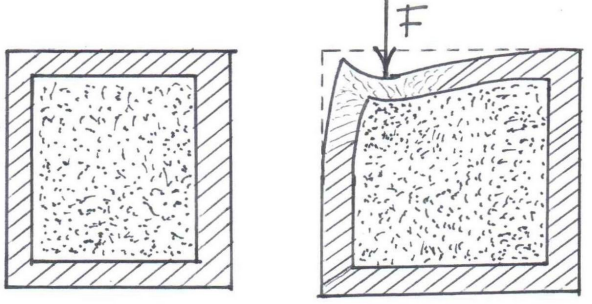
Varga, T. P., Szilágyi, I., Bérczi, Sz., & Varga, T. N. (2012). Process for producing building elements with multilayer structure from lunar regolith by microwave heating. 43. LPSC, #1560, LPI, Houston.
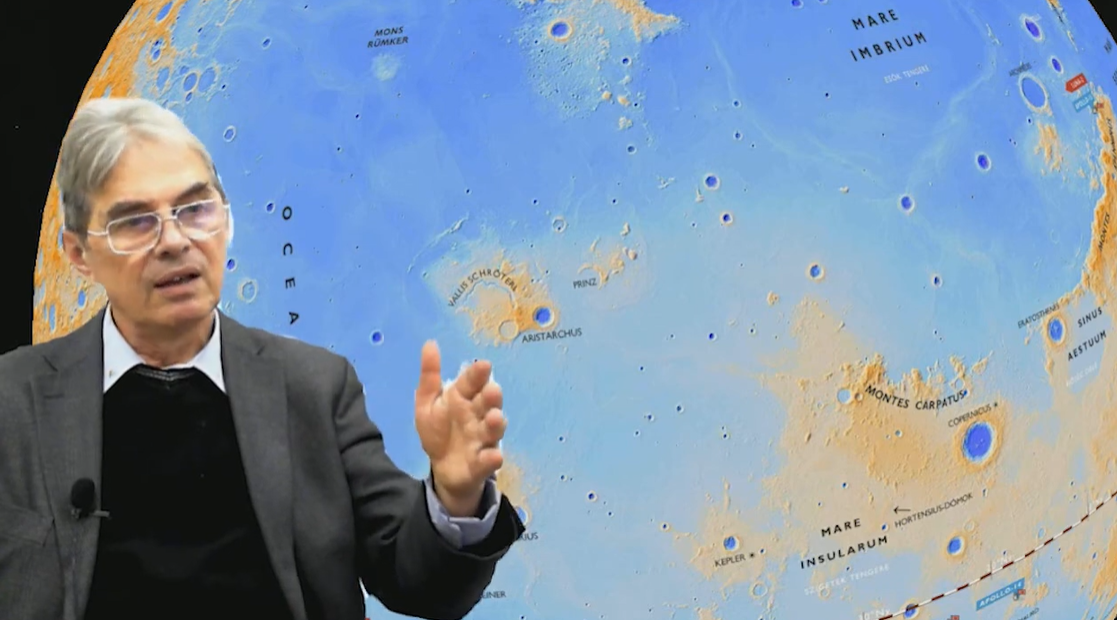
Varga, T. P., Szilágyi, I., Bérczi, Sz., & Varga, T. N. (2012). Process for producing building elements with multilayer structure from lunar regolith by microwave heating. 43. LPSC, #1560, LPI, Houston.
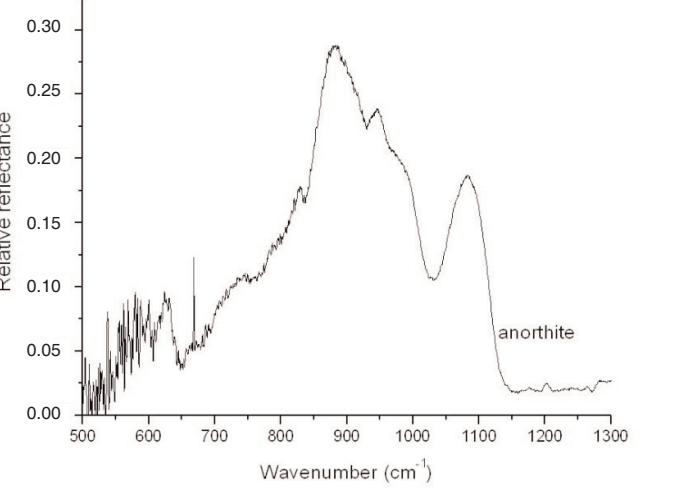
Gyollai, I., Gucsik, A., Nagy, S., & Bérczi, Sz. (2012). Petrographic and mid-infrared spectroscopy study of shocked feldspar in the Asuka-881757 Lunar gabbro meteorite sample. Central European Geology, 55(1), 23–32. https://doi.org/10.1556/ceugeol.53.2012.1.2Publisher / online source
The study examines how impacts alter feldspar crystals in a lunar meteorite. Microscopy and infrared measurements trace the transition from crystalline mineral to glass-like material and estimate the pressures involved. Source
Gotze, J., Gucsik, A., Kempe, U., Ott, U., Hoppe, P., Nagy, S., Berczi, S., & Veres, M. (2011). Magmatic Origin of Calcite from the Luna-20 Regolith Sample. Meteoritics & Planetary Science, 46(1), A83.
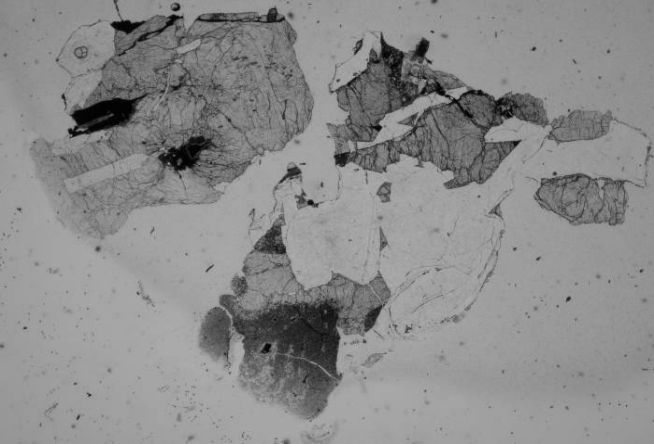
Gyollai, I., Gucsik, A., Nagy, Sz., Fürj, J., Bérczi, Sz., Szekrényes, Zs., & Veres, M. (2010). Petrographic and Mid-Infrared Spectroscopy Study of Shocked Feldspar in Asuka-881757 Lunar Gabbro Meteorite Sample. Lunar and Planetary Science XXXXI, Abstract #1602, Lunar and Planetary Institute, Houston (CD-ROM).Publisher / online source
Götze, J., Gucsik, A., Kempe, U., Nagy, Sz., Bérczi, Sz., & Veres, M. (2009). First identification of calcite inclusion within the Luna-20 Lunar sample: A combined cathodoluminescence and micro-Raman study. Geological Society of America: for Abstracts With Programs, 41(7), Article 123-8.
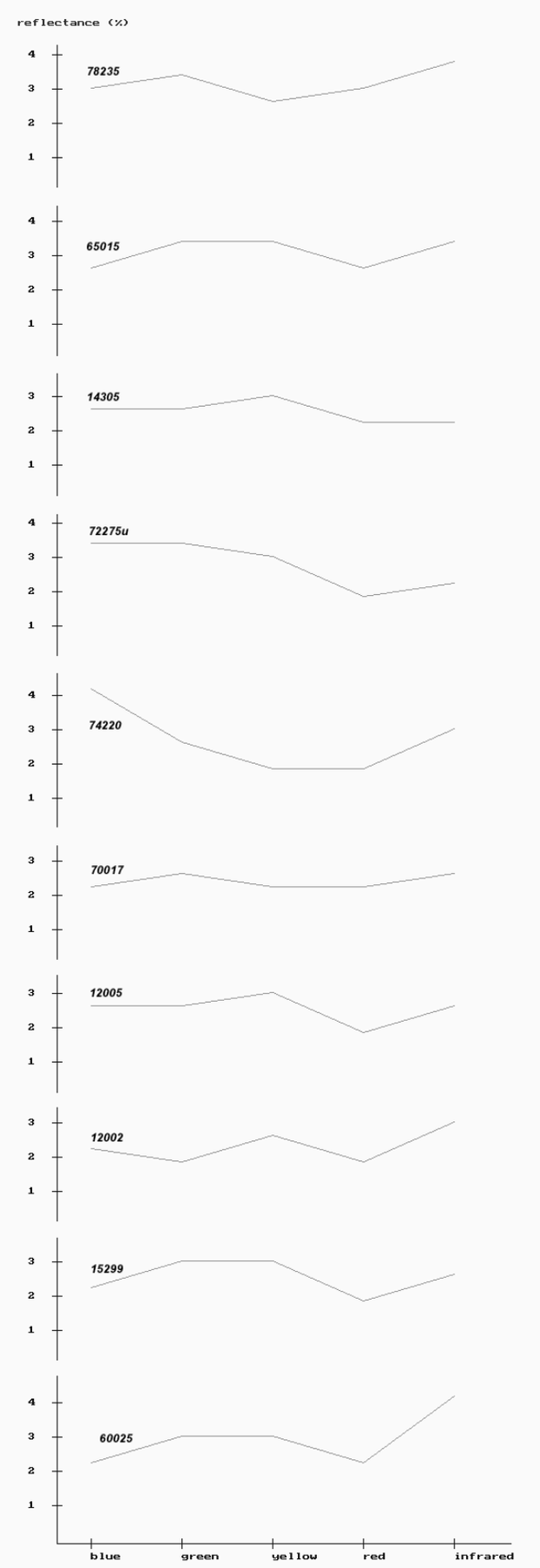
Roskó, F., Diósy, T., Bérczi, Sz., Fabriczy, A., Cech, V., & Hegyi, S. (2000). Spectrometry of the NASA Lunar Sample Educational Set. Lunar and Planetary Science XXXI, Abstract #1572, Lunar and Planetary Institute, Houston (CD-ROM).
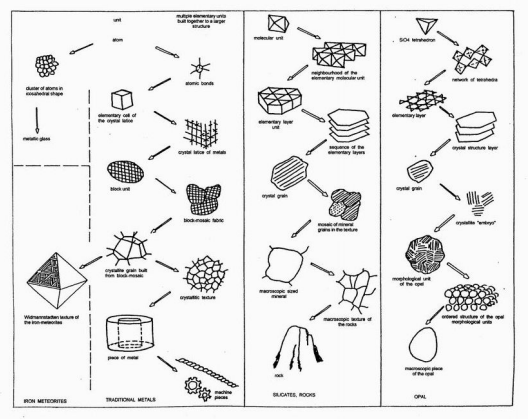
Bérczi, Sz., Nagy, Sz., Gyollai, I., Józsa, S., Szakmány, Gy., Varga, T. N., Varga, T. P., & Gucsik, A. (2012). How we used the NASA lunar sample set in the planetary and material analog studies: lunar and industrial implications from the comparison of textures and processes. 43. LPSC, #1399, LPI, Houston.
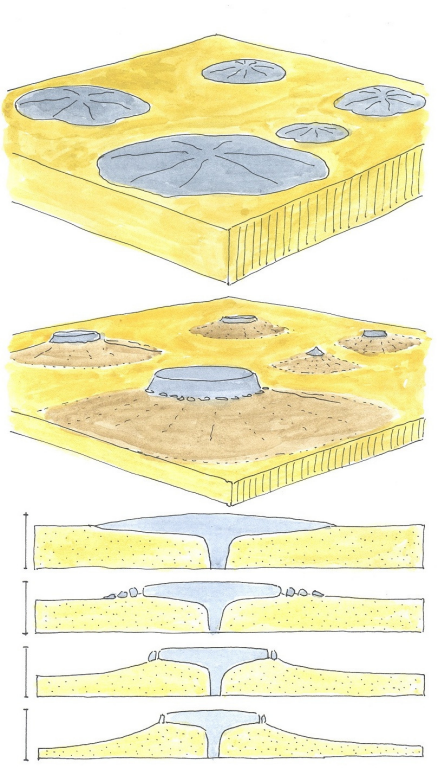
Bérczi, Sz., Hudoba, Gy., Lang, A., Varga, T. P., Józsa, S., Szakmány, Gy., Erdélyi, I., Kiss, D., Nickl, I., Panyi, T., Varga, T. N., Hegyi, S., & Pataki, T. (2010). How We Used NASA Lunar Samples in Lunar Analog Field Trip at the Tapolca Basin Basalt Flows, Balaton-Highlands, Hungary in Comparisons with Apollo 15 Layered Outcrop and Apollo 12 Basalt Samples. Lunar and Planetary Science XXXXI, Abstract #1358, Lunar and Planetary Institute, Houston (CD-ROM).
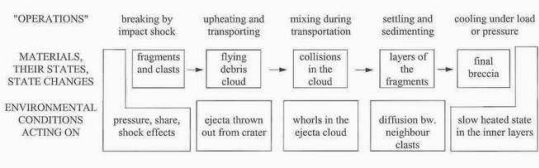
Bérczi, Sz., Cech, V., Józsa, S., Szakmány, Gy., Fabriczy, A., Földi, T., & Varga, T. (2005). How we used NASA Lunar Set in planetary material science analog studies on lunar basalts and breccias with industrial materials of steels and ceramics. 36th LPSC, #1282. LPI, Houston.
Bérczi, Sz., Józsa, S., Szakmány, Gy., Kubovics, I., Puskás, Z., Fabriczy, A., & Unger, Z. (2004). How we used NASA Lunar set in planetary and material science studies: textural and cooling sequences in sections of lava column from a thin and a thick lava-flow, from the Moon and Mars with terrestrial analogue and chondrule textural comparisons. 35th LPSC, #1246, LPI, Houston.
Bérczi, Sz., & Szakmány, Gy. (2004). Petrographic Studies on the NASA Lunar Sample Thin Section Set: II. Textural Comparisons of NASA Lunar Breccia and Various Counterparts from the Terrestrial, Chondritic (NIPR) and Artificial Ceramic Samples. Acta Mineralogica et Petrographica, 45(2), 15–19.
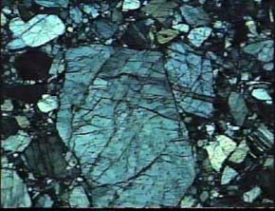
Bérczi, Sz., Szakmány, Gy., Józsa, S., Kubovics, I., Puskás, Z., & Unger, Z. (2003). How We Used NASA Lunar Set in Planetary and Material Science Studies: Comparison of Breccias from the Moon, Earth, Asteroids and Ancient Ceramics by Textures and Processes. Lunar and Planetary Science XXXIV, Abstract #1115, Lunar and Planetary Institute, Houston (CD-ROM).
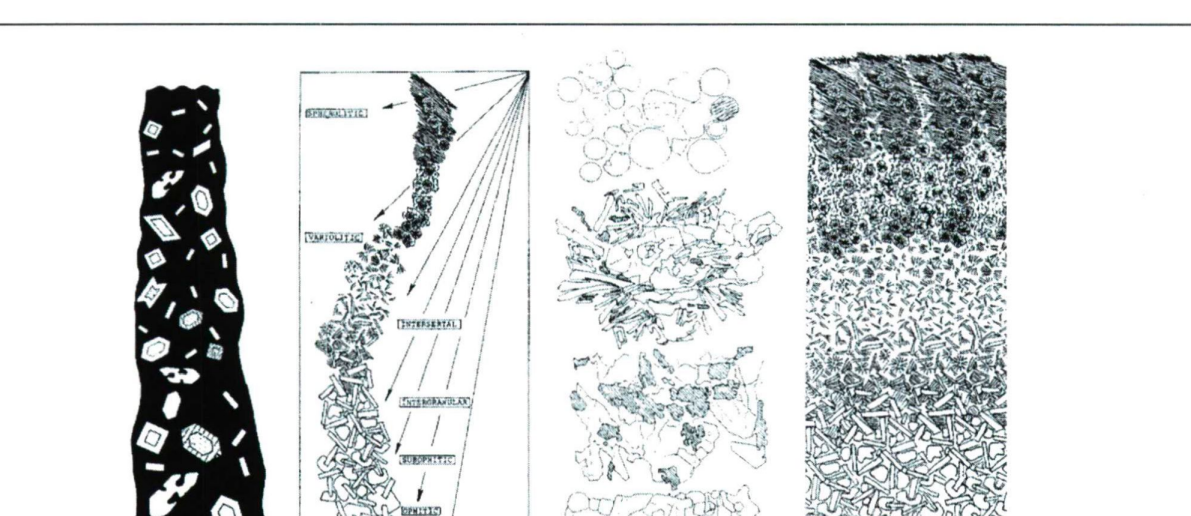
Bérczi, Sz., & Józsa, S. (2003). Petrographic Studies on the NASA Lunar Sample Thin Section Set: I. The Textural Sequence of the Basaltic Samples and Their Description by Cellular Automata Mosaic Model and Tentative TTT-Diagram. Acta Mineralogica et Petrographica, 44, 57–61.
Bérczi, Sz., Józsa, S., Szakmány, Gy., Dimén, A., Deák, F., Kubovics, I., Puskás, Z., & Unger, Z. (2002). How we used NASA Lunar Set in Planetary and Materials Science Studies: From Basaltic TTT Diagrams of Luanr Basalts to Cellular Automata Transformations of Textures. Lunar and Planetary Science XXXIII, Abstract #1024, Lunar and Planetary Institute, Houston (CD-ROM).
Bérczi, Sz., Józsa, S., Kabai, S., Kubovics, I., Puskás, Z., & Szakmány, Gy. (1999). NASA Lunar Sample Set in Forming Complex Concepts in Petrography and Planetary Petrology. Lunar and Planetary Science XXX, Abstract #1038, Lunar and Planetary Institute, Houston (CD-ROM).
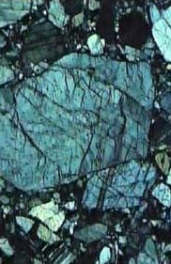
Bérczi, Sz., Józsa, S., Varga, T., Fabriczy, A., Gyollai, I., & Nagy, Sz. (2014). How we used NASA Lunar Set and NSSDC lunar orbiter photographs in a multi-hierarchical lunar sample and stratigraphical layer study. In 45th Lunar and Planetary Science Conference (Abstract 1426). Lunar and Planetary Institute.Abstract (PDF)
Bérczi, Sz., Fabriczy, A., Cech, V., Don, Gy., Józsa, S., Lukács, B., Maros, G., Solt, P., Szabó-Soki, L., & Szakmány, Gy. (2000). How we used NASA Lunar Sample Set in making Solar System and planetary evolution educational videofilm series. Lunar and Planetary Science XXXI, Abstract #1687, Lunar and Planetary Institute, Houston (CD-ROM).
Bérczi, Sz., Lukács, B., Földi, T., Holba, Á., Józsa, S., Marosi, G., Szabó Sóki, L., & Szakmány, Gy. (1997). Evolution of a Small and a Large Rocky Planetary Body: Stages Shown in Thin Sections of NASA Lunar Samples and NIPR Antarctic Meteorites. (22th Symp. Antarctic Meteorites, Tokyo, NIPR) p.12.
Bérczi, Sz., & Lukács, B. (1997). Evolution of a Smaller and a Larger Rocky Planetary Body: Stages Shown by Thin sections of NASA Lunar Samples and NIPR Antarctic Meteorites [Film or screenplay]. 25 min. videofilm made for the 28th LPSC, NASA-LPI, Houston, Texas, 1997, March 17-21.
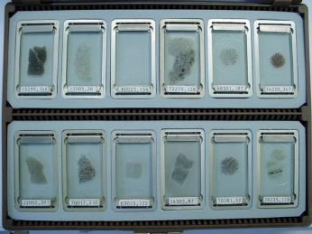
Bérczi, Sz., Polgári, M., Gyollai, I., Hargitai, H., Gucsik, A., Kárpáti, Sz., Ságodi, I., Hudoba, Gy., & Vizi, P. G. (2024). 30-Years loan of the NASA lunar sample educational set to the Eötvös Loránd university, Budapest, Hungary. 55th LPSC, #2275, LPI, Houston.
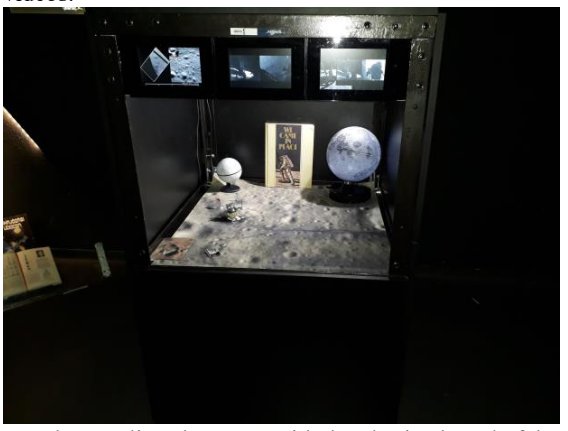
Vizi, P. G., & Bérczi, Sz. (2020). Apollo memorial year for the planetary science education: Real and VR exhibition. In Lunar and planetary science (Abstract 2916). Lunar and Planetary Institute.
Ságodi, I., Bérczi, Sz., Vizi, P. G., Szabó, M., & Hegyi, S. (2019). 2018 December - 2019 December: An Apollo Memorial Year for the Planetary Science Education. 50. LPSC, #1813, Houston, CD-ROM.
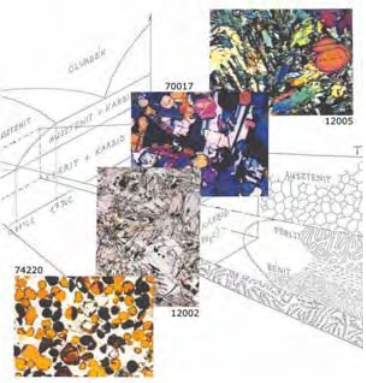
Bérczi, Sz., Gál-Sólymos, K., Gucsik, A., Hargitai, H., Józsa, S., Szakmány, Gy., Kubovics, I., & Puskás, Z. (2006). How we used NASA Lunar Set in planetary and material science studies: experiences of 10 years of studies in Eötvös University, Hungary. XXXVII LPSC, #1298, LPI, Houston.
Bérczi, Sz. (2006). Ten Years Studies of the NASA Lunar Sample ducational Set. In Space Activities in Hungary 2004-2005 (pp. 2004–2005). Hungarian Space Office.
Kubovics, I., Bérczi, Sz., Lukács, B., & Szakmány, Gy. (1994). NASA Lunar Samples in Hungary. In B. Lukács, I. Kubovics, L. Stegena, & Sz. Bérczi (Eds.), Evolution of extraterrestrial materials and structures (MTA-KFKI-1994-22/C; pp. 74–80). MTA Központi Fizikai Kutatóintézet.
Kubovics, I., & Bérczi, Sz. (1994). NASA Lunar Thin Section Set in Hungary: Should Japan, NIPR Prepare thin Section Set of Antarctic Meteorites. 19th NIPR Symp. Ant. Met. Tokyo, p.66-1.
Tomka, R. K., & Kereszturi, Á. (2024). GIS methods based ejecta layer estimation for the Moon to support research and ISRU activities. EPSC, abstract #554.
Cziráki, K., & Timár, G. (2023). Estimation of the parameters of a lunar ellipsoid of revolution based on GRAIL selenoid data and Fibonacci mesh. EGU, abstract #7979.
The researchers seek a slightly flattened reference shape that fits lunar gravity data better than a simple sphere. Their method uses GRAIL data and evenly distributed sample points, potentially improving lunar mapping and positioning. Source
Leone, G., Ahrens, C., Korteniemi, J., Gasparri, D., Kereszturi, A., Martynov, A., Schmidt, G. W., Calabrese, G., & Joutsenvaara, J. (2023). Sverdrup-Henson crater: A candidate location for the first lunar South Pole settlement. Iscience, 26(10), 107853. https://doi.org/10.1016/j.isci.2023.107853
The researchers assess Sverdrup–Henson crater as a candidate for an early lunar south-polar base. They consider ice, terrain accessibility, solar power and communications together, and recommend further investigation on site. Source
Steinmann, Vilmos (2019). Influence of secondary crater chain on age estimation – experience from Sinus Iridum area on the Moon. LPSC, abstract #1041.
Marton, G., Kiss, C., & Mueller, T. (2016). The moon of the large Kuiper-belt object 2007 OR 10. DPS, abstract #120.22.
Völgyesi, L., Tóth, G., B, B., & S, G. (2014). Precise Astronomical Azimuth Determination By Qdaedalus System to the Sun, Moon, and Planets in Daytime Conditions. AGU, abstract #G51B-0360.
Vörös, Zoltán (2012). Motions of the Earth's magnetotail at the distance of the Moon: multi-spacecraft observations. EGU, abstract #EGU2012-3630.
Futó, P., & Gucsik, A. (2009). Compaction and sticking of planetesimals due to porosity. 40th Lunar and Planetary Science Conference (Abstract No. 1008). Lunar and Planetary Institute.
Kereszturi, A., & Gábris, Gy. (2007). Proposal for drainage network types on Mars. 38th Lunar and Planetary Science Conference (Abstract No. 1045). Lunar and Planetary Institute.
Bérczi, Sz., Szakmány, Gy., Józsa, S., Kubovics, I., Puskás, Z., & Unger, Z. (2003). How we used NASA lunar set in planetary and material science studies: Comparison of breccias from Moon, Earth, asteroids and ancient ceramics by textures and processes. 34th Lunar and Planetary Science Conference (Abstract No. 1115). Lunar and Planetary Institute.
Lunar and Planetary Science Conference
Kereszturi, Á. (2001). Analysis of the meanders of some runoff channels on Mars. 32nd Lunar and Planetary Science Conference (Abstract No. 1177). Lunar and Planetary Institute.
LPI Contribution No. 1084. Lunar and Planetary Institute, Houston.
Magyar publikációk a XXXII. Lunar and Planetary Science Conference-en
Földi, T., & Bérczi, Sz. (2001). The source of water molecules in the vicinity of the Moon. 32nd Lunar and Planetary Science Conference (Abstract No. 1148). Lunar and Planetary Institute.
Bérczi, Sz., Józsa, S., Kabai, S., Kubovics, I., Puskás, Z., & Szakmány, Gy. (1999). NASA lunar sample set in forming complex concepts in petrography and planetary petrology. 30th Lunar and Planetary Science Conference (Abstract No. 1038). Lunar and Planetary Institute.
Hargitai, H., & Petr, B. (2025). Clusters of Irregular Mare Patches on the Moon: A New GIS Catalog. Icarus, 429, 116439. https://doi.org/10.1016/j.icarus.2024.116439
This work builds a new geographic catalogue of unusual irregular patches on the Moon. Mapping individual patches and their clusters more precisely helps compare competing explanations for how they formed. Source
Brož, P., Poppe, S., Sofge, K., Stárek, M., Gomes, R., Boháček, P., Kereszturi, A., Łosiak, A., Sauro, F., Hauber, E., Divoký, M., Trojánek, P., Písařík, M., Kohout, T., Hargitai, H., Bohovic, R., Viru, J., Pajusalu, M., Carrer, L., …, Pozzobon, R. (2025). LUnar Geology Orbiter concept to study lunar Irregular Mare Patches and lava tubes from orbit. Acta Astronautica, 234, 154–174. https://doi.org/10.1016/j.actaastro.2025.04.066
The paper proposes the LUGO lunar orbiter. Studying unusual surface patches and lava tubes would help explain the Moon's volcanic history and prepare for future human exploration. Source
Hargitai, H., & Petr, B. (2024). Irregular mare patches on the Moon: a new catalog. LPSC, abstract #1867.
Tomka, R., Kereszturi, A., & Pal, B. (2026). Ejecta thickness and layering estimation for an example Artemis landing site candidate on the Moon. Planetary and Space Science, 272, 106256. https://doi.org/10.1016/j.pss.2026.106256
The study models the thickness and layering of impact ejecta at a candidate Artemis landing site. The results could guide drilling and sampling and help explain the origins of material encountered there. Source
Kereszturi, Á., Novak, R., Tomka, R., & Steinmann, V. (2025). Crater maturity differences connected to optical morphology at former lunar landing sites. Acta Astronautica, 234, 520–535. https://doi.org/10.1016/j.actaastro.2025.03.004
The researchers compare lunar crater shapes with surface reflectance to assess how their material has changed over time. Crater appearance relates more clearly to optical maturity than sample grain size does, and the latter relationship remains uncertain. Source
Tomka, R., Boazman, S., Bradák, B., Heather, D., Kereszturi, A., Pal, B., & Steinmann, V. (2024). Boulder distribution, circular polarization, and optical maturity: A survey of example lunar polar terrains for future landing sites. Advances in Space Research, 73(4), 2243–2260. https://doi.org/10.1016/j.asr.2023.10.005
This study compares visible boulders at lunar south-polar sites with radar and reflectance measurements. Differences can point to buried boulders, while rocks thrown out by impacts help estimate the thickness of the loose surface layer. Source
Tomka, R., Steinmann, V., Warren, T., & Kereszturi, A. (2023). Morphological analysis of polar landing regions for a solar powered ice drilling mission. Icarus, 411, 115927. https://doi.org/10.1016/j.icarus.2023.115927
The study analyses craters, slopes and boulders in eight candidate lunar south-polar landing regions for an ice-drilling mission. Crater shapes and preservation also reveal surface evolution and help assess the scientific value of the sites. Source
Boazman, S., Kereszturi, Á., Heather, D., Sefton-Nash, E., Orgel, C., Tomka, R. K., Houdou, B., & Lefort, X. (2022). Analysis of the Lunar South Polar Region for PROSPECT, NASA/CLPS. EPSC, abstract #530.
Kereszturi, A., Tomka, R., Gläser, P. A., Pal, B. D., Steinmann, V., & Warren, T. (2022). Characteristics of de Gerlache crater, site of girlands and slope exposed ice in a lunar polar depression. Icarus, 388, 115231. https://doi.org/10.1016/j.icarus.2022.115231
The study identifies curved, garland-like ridges in the lunar de Gerlache crater, probably linked to movement on slopes. Such movements may bury ice in some places and expose it in others, making them relevant to polar ice exploration. Source
Kereszturi, Á., Boazman, S., Heather, D., Tomka, R. K., & Warren, T. (2022). Four candidate landing sites at the southern lunar polar region to drill water ice using solar powered missions. EPSC, abstract #346.
Kereszturi, A., Tomka, R., & Steinmann, V. (2022). Testing statistical impact crater analysis in permanently shadowed lunar polar regions. Icarus, 376, 114879. https://doi.org/10.1016/j.icarus.2022.114879
The researchers test how crater counts can estimate the ages of permanently shadowed lunar surfaces. Detailed topographic data allow many craters to be recognized even where illuminated photographs are unavailable. Source
Prem, P., Kereszturi, Á., Deutsch, A. N., Hibbitts, C. A., Schmidt, C. A., Grava, C., Honniball, C. I., Hardgrove, C. J., Pieters, C. M., Goldstein, D. B., Barker, D. C., Needham, D. H., Hurley, D. M., Mazarico, E., Dominguez, G., Patterson, G. W., Kramer, G. Y., Brisset, J., Gillis-Davis, J. J., …, Farrell, W. M. (2021). Lunar Volatiles and Solar System Science. Bulletin of The American Astronomical Society, 53(4), 068. https://doi.org/10.3847/25c2cfeb.f62324b8
This position paper reviews the origin and history of water and other volatiles on the Moon. It identifies important open questions and future measurements, since lunar evidence can also help explain the evolution of materials across the Solar System. Source
Shang, W., Tang, B., Shi, Q., Tian, A., Zhou, X., Yao, Z., W. Degeling, A., Jonathan Rae, I., Fu, S., Lu, J., Pu, Z., N. Fazakerley, A., M. Dunlop, M., Facskó, G. I., Liu, J., & Wang, M. (2020). Unusual location of the geotail magnetopause at lunar distance: ARTEMIS observation. EGU, abstract #EGU2020-1890.
ARTEMIS observations show how the boundary of Earth's magnetic shield changed at lunar distances after a solar-wind shock. Simulations suggest that sideways solar-wind flow both compressed and deflected the magnetic tail. Source
Deák, Márton (2011). Landing site analysis for low-budget lunar missions – Landing site candidates of Team Puli Space, participant of the Google Lunar X Prize. LPSC, abstract #1410.
Kuti, A. (2009). Thermal behavior of Dokka crater and its surroundings in the north polar region of Mars. 40th Lunar and Planetary Science Conference (Abstract No. 1006). Lunar and Planetary Institute.